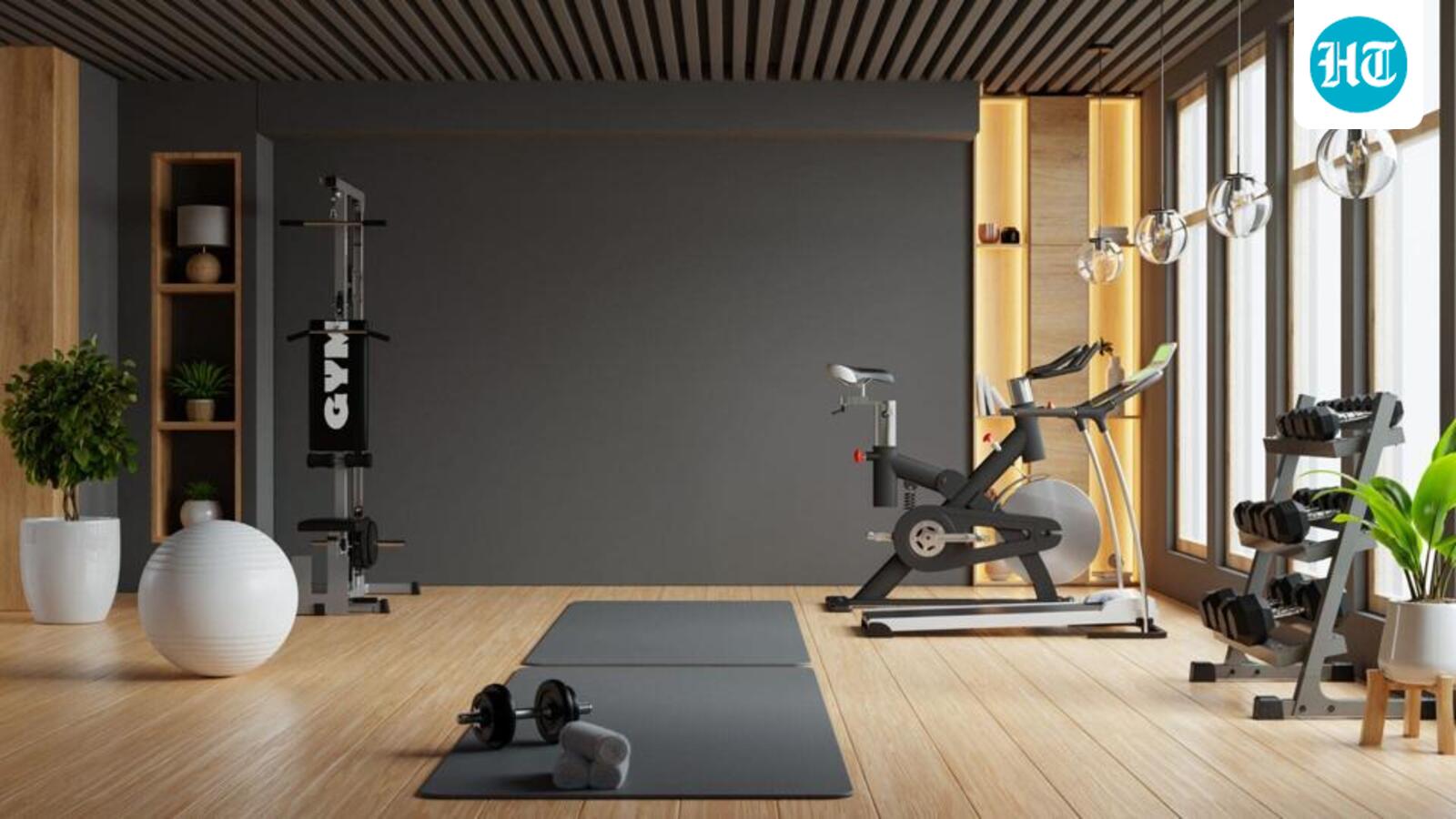
IFeature a serviceable gym at place, with staple machines, equipment, and weights. But sir thomas more significantly, I have Jai Rathee, a good trainer who is able to discern the difference between required exercise and undesirable excess.To have this trained balance is necessary, especially when, across India’s metropolitan skylines—and increasingly in smaller towns too—glittering gyms rise where once there were modest parks, akharas, or open maidans. Fitness studios advertise “body transformation” in 45 days. Young men measure protein intake with scientific precision. Young women follow elaborate regimens of calorie deficits, intermittent fasting, and “clean eating.” Watches monitor sleep cycles, heartbeats, oxygen levels, and the number of steps walked in a day. Social media platforms overflow with sculpted torsos, disciplined diets, and motivational slogans celebrating relentless self-optimisation.This phenomenon is not confined to India. It is global. From New York to New Delhi, from Seoul to São Paulo, the younger generation appears seized by an unprecedented obsession with health, fitness, and bodily perfection. At first glance, this may seem wholly admirable. After all, in a world long plagued by sedentary habits, obesity, diabetes, cardiovascular disease, and stress-induced disorders, surely a concern for health is desirable.But while gyms multiply everywhere, how many are equipped with qualified trainers possessing scientific knowledge of anatomy, physiology, and safe exercise practices? In countless establishments, poorly trained instructors impose punishing regimens on impressionable clients eager for rapid transformation. The body is treated like a machine that can be endlessly pushed without consequence.The results are increasingly alarming. Reports have emerged of sudden cardiac arrests during intense workouts, particularly among young individuals engaging in excessive or unmonitored exercise. Orthopaedic specialists speak of rising injuries to the spine, knees, ankles, and shoulders caused by improper techniques or overtraining. Many young people suffer long-term damage because they mistake extremity for discipline.Equally troubling is the booming market for over-the-counter supplements. Protein powders, fat burners, testosterone boosters, muscle enhancers, and dubious “performance” products are consumed with frightening casualness. Few users possess adequate understanding of their composition or side effects. Some products are poorly regulated; others may contain harmful substances concealed behind glamorous packaging and aggressive marketing. The irony is bitter, because there is a profound difference between living healthily and becoming consumed by the pursuit of health. The former seeks balance; the latter often degenerates into anxiety, vanity, and excess.In India, this transformation has coincided with economic liberalisation, urban aspiration, and the explosion of digital culture. The film industry, advertising campaigns, and social media influencers relentlessly propagate unattainable body images. Youngsters seek to emulate film stars who possess access to personal trainers, nutritionists, cosmetic procedures, and carefully managed lifestyles. What is presented as natural fitness is often the result of immense professional intervention. The consequence is predictable. Young people push themselves mercilessly in pursuit of idealized physiques. The message constantly conveyed to the young is that the body is never adequate as it is. It must be slimmer, leaner, more muscular, more youthful. Fitness is no longer merely about strength or vitality; it has become a visual commodity curated for public display.I am also an avid and long-time practitioner of yoga. I began at the age of 16 under the tutelage of the late—and iconic—Dhirendra Brahmachari. The practice of yoga has grown exponentially since then, with social media platforms saturated with “experts”, and millions following gurus like Baba Ramdev. But here too, the need for a competent trainer, such as my own, Mithilesh Roy, is necessary.Recently, a lady tried to do the sheersh asana, the headstand, without a proper trainer, and ended up cracking her spine. She, and countless others, do not realise that the ancient yogic tradition does not advocate narcissistic self-display. Its purpose is balance, flexibility, breath control, inner calm, and harmony between physical and mental states. Walking, stretching, simple diets, adequate sleep, and disciplined habits form part of its everyday wisdom.In the past, villages and older communities often fostered naturally active lifestyles without the need for expensive machinery or commercialised fitness programs. Physical well-being was woven naturally into life. People walked more, ate simpler food, worked with their bodies, and exercised without announcing it to the world. Health was not a performance. Nor was youthfulness elevated into a permanent moral obligation. One accepted the rhythms of life with greater equanimity.Alas, to me, it sometimes feels that what we are witnessing today is not a genuine culture of health but a culture of oscillation between excess and correction. Even as gyms proliferate, so do unhealthy fast-food chains and ultra-processed diets. The same young individual who spends two hours lifting weights may consume meals loaded with sodium, sugar, preservatives, and chemical additives. Consumer culture thrives on this paradox: it sells indulgence and then profits from the guilt that follows.Perhaps the challenge before modern society is to rediscover an older truth: that genuine well-being arises not from excess, but from balance; not from punishing the body, but from respecting it; not from obsessive self-curation, but from living with moderation, dignity, and inner poise.(Pavan K Varma is an author, diplomat, and former member of Parliament (Rajya Sabha). The views expressed are personal)

Global News Perspectives
In today's interconnected world, staying informed about global events is more important than ever. ZisNews provides news coverage from multiple countries, allowing you to compare how different regions report on the same stories. This unique approach helps you gain a broader and more balanced understanding of international affairs. Whether it's politics, business, technology, or cultural trends, ZisNews ensures that you get a well-rounded perspective rather than a one-sided view. Expand your knowledge and see how global narratives unfold from different angles.
Customizable News Feed
At ZisNews, we understand that not every news story interests everyone. That's why we offer a customizable news feed, allowing you to control what you see. By adding keywords, you can filter out unwanted news, blocking articles that contain specific words in their titles or descriptions. This feature enables you to create a personalized experience where you only receive content that aligns with your interests. Register today to take full advantage of this functionality and enjoy a distraction-free news feed.
Like or Comment on News
Stay engaged with the news by interacting with stories that matter to you. Like or dislike articles based on your opinion, and share your thoughts in the comments section. Join discussions, see what others are saying, and be a part of an informed community that values meaningful conversations.
Download the Android App
For a seamless news experience, download the ZisNews Android app. Get instant notifications based on your selected categories and stay updated on breaking news. The app also allows you to block unwanted news, ensuring that you only receive content that aligns with your preferences. Stay connected anytime, anywhere.
Diverse News Categories
With ZisNews, you can explore a wide range of topics, ensuring that you never miss important developments. From Technology and Science to Sports, Politics, and Entertainment, we bring you the latest updates from the world's most trusted sources. Whether you are interested in groundbreaking scientific discoveries, tech innovations, or major sports events, our platform keeps you updated in real-time. Our carefully curated news selection helps you stay ahead, providing accurate and relevant stories tailored to diverse interests.

No comments yet.