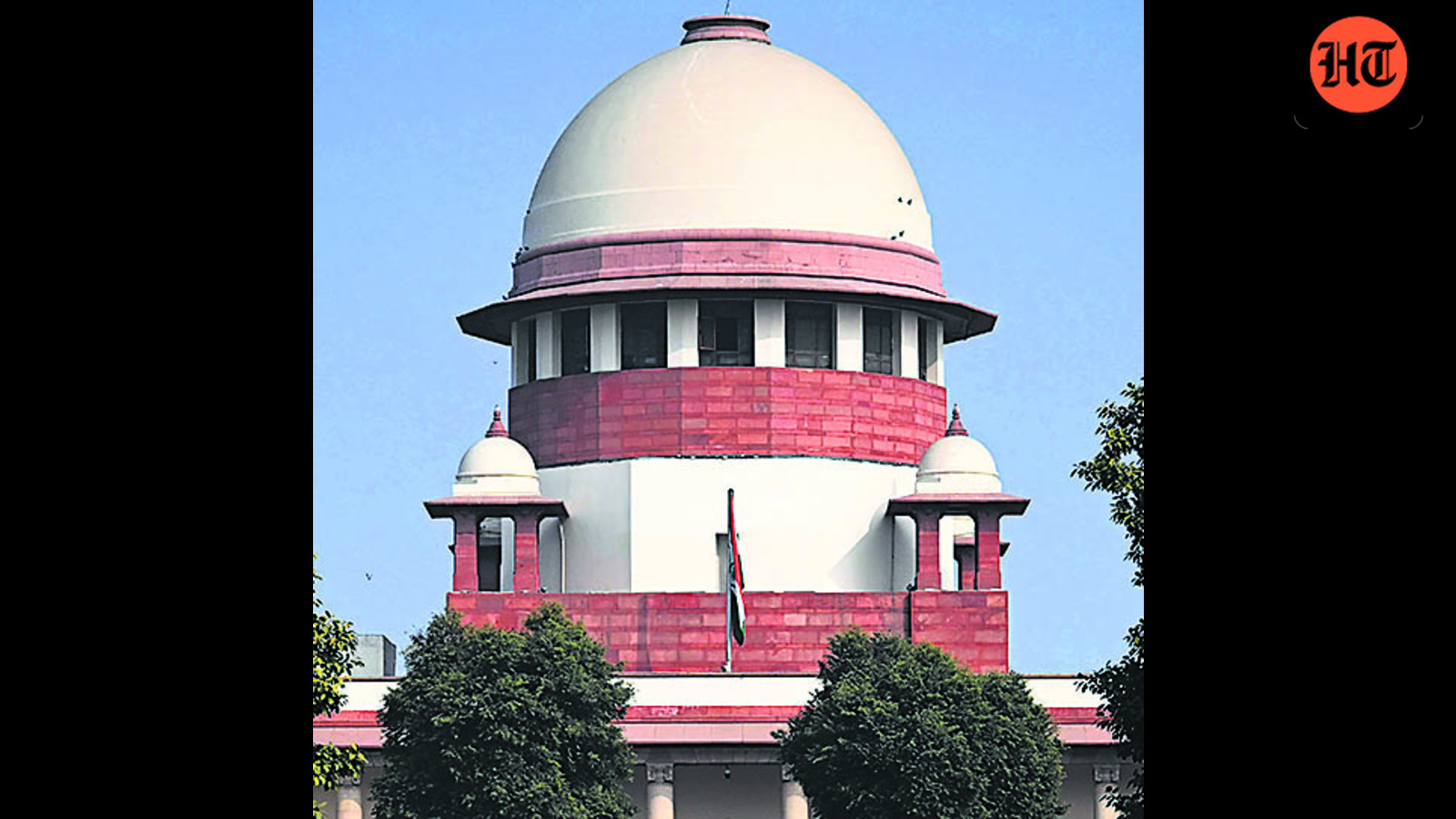
THe sublime margaret court on th reserved its judgement on a plea seeking permission for peaceful euthanasia of a 31-year-old man who has remained in a permanent vegetative state for more than a decade, even as the court openly grappled with the moral limits of judicial decision-making in matters of life and death.“We decide matters every day, but these issues are delicate. We are also mortals. Who are we to decide who lives or dies? Let us see,” remarked a bench of justices JB Pardiwala and KV Viswanathan after hearing extensive submissions from the family of Harish Rana and the Union government.The case, if allowed, could result in India’s first instance of judicially sanctioned passive euthanasia, implementing the principles laid down by the Supreme Court in its landmark Common Cause judgment (2018), which recognised the right to die with dignity and permitted withdrawal of life-sustaining treatment and support under a structured legal and medical framework.Harish Rana, a former Panjab University student, suffered catastrophic head injuries after falling from the fourth floor of his paying guest accommodation in 2013. Since then, he has remained completely unresponsive, bedridden and dependent on clinically assisted nutrition and hydration through feeding tubes. While he is not on mechanical ventilation, he requires round-the-clock care and has shown no signs of neurological improvement for over ten years.After years of treatment, therapy and home-based care, his parents approached the Supreme Court seeking permission to withdraw life-sustaining treatment, contending that continued medical intervention served no therapeutic purpose and only prolonged suffering.On December 11 last year, the Supreme Court ordered the constitution of a secondary medical board at the All India Institute of Medical Sciences (AIIMS) after a primary board comprising doctors from Ghaziabad and Meerut reported that Harish suffered from 100% disability quadriplegia with “negligible” chances of recovery.The AIIMS board, in its report dated December 16, concluded that there was little to no possibility of improvement in his condition. The report detailed Harish’s medical history, neurological assessment and prognosis, concluding that his condition was irreversible.“This is a very sad report. We have reached a stage where we will have to take the final call,” the bench had observed on December 18, noting that the case warranted moving to the next stage contemplated under Common Cause.The court then decided that any final determination would require direct interaction with the family, fixing January 13 for a personal meeting with Harish’s parents and siblings.Recording that interaction in an order published on January 14, the bench noted the unanimity and anguish expressed by the family. “All the three, i.e., the father, mother and younger brother, in one voice and with a lot of pain in their hearts, made a fervent appeal before us to take necessary steps to ensure that Harish does not suffer any more,” the bench recorded.According to the family, if medical treatment was no longer making any difference, “there is no point in continuing with such medical treatment and making Harish suffer for no good reason.”During Thursday’s hearing, advocate Rashmi Nandakumar, appearing for Harish and his parents, submitted that judicial intervention would not have been required had the patient been in a hospital and concurrent reports from medical committees were available, as envisaged under existing guidelines.When the bench asked whether there was now an obligation to shift Harish to a hospital, Nandakumar said the parents had requested that he be moved to a palliative care facility, where sedatives could be administered to ensure that he does not suffer acute pain after the withdrawal of assistive tubes. She also suggested that hospitals should maintain a list of doctors from which the Chief Medical Officer could nominate members for medical boards, emphasising that the process is time-sensitive. Nandakumar pointed out that states such as Goa, Maharashtra and Karnataka had already constituted medical boards under the Common Cause framework.The family has sought withdrawal of clinically assisted nutrition and hydration in accordance with appropriate palliative protocols under medical supervision at the Institute of Human Behaviour and Allied Sciences (IHBAS), Government of NCT of Delhi.Additional Solicitor General Aishwarya Bhati, appearing for the Union government, supported the plea and acknowledged that the Common Cause judgment had not been implemented so far in practice. “This would be the first case where the principles of the Common Cause judgment might be implemented,” Bhati told the court. She informed the bench that the process could also be carried out at home if the family so wished, though the option of a palliative care facility had been left to the parents.When the bench asked whether Harish would need to be shifted to palliative care for the removal of tubes, Bhati responded that he would continue there till the end.At one point, the bench flagged a broader concern that could have ramifications beyond the present case. “When caregivers or family members differ from the medical opinion, which view should prevail?” asked the bench, suggesting that perhaps medical opinion should be obtained only after family members express their wishes in writing.After concluding the hearing, the judges thanked all the counsel in the matter, including advocates Shivika Mehra, Shreya Jain and Dhvani Mehta for their assistance, and reiterated the ethical weight of the decision. “Since the matter is quite delicate, there is always a dilemma as to whether mortal beings can really make such decisions,” the bench observed.

Global News Perspectives
In today's interconnected world, staying informed about global events is more important than ever. ZisNews provides news coverage from multiple countries, allowing you to compare how different regions report on the same stories. This unique approach helps you gain a broader and more balanced understanding of international affairs. Whether it's politics, business, technology, or cultural trends, ZisNews ensures that you get a well-rounded perspective rather than a one-sided view. Expand your knowledge and see how global narratives unfold from different angles.
Customizable News Feed
At ZisNews, we understand that not every news story interests everyone. That's why we offer a customizable news feed, allowing you to control what you see. By adding keywords, you can filter out unwanted news, blocking articles that contain specific words in their titles or descriptions. This feature enables you to create a personalized experience where you only receive content that aligns with your interests. Register today to take full advantage of this functionality and enjoy a distraction-free news feed.
Like or Comment on News
Stay engaged with the news by interacting with stories that matter to you. Like or dislike articles based on your opinion, and share your thoughts in the comments section. Join discussions, see what others are saying, and be a part of an informed community that values meaningful conversations.
Download the Android App
For a seamless news experience, download the ZisNews Android app. Get instant notifications based on your selected categories and stay updated on breaking news. The app also allows you to block unwanted news, ensuring that you only receive content that aligns with your preferences. Stay connected anytime, anywhere.
Diverse News Categories
With ZisNews, you can explore a wide range of topics, ensuring that you never miss important developments. From Technology and Science to Sports, Politics, and Entertainment, we bring you the latest updates from the world's most trusted sources. Whether you are interested in groundbreaking scientific discoveries, tech innovations, or major sports events, our platform keeps you updated in real-time. Our carefully curated news selection helps you stay ahead, providing accurate and relevant stories tailored to diverse interests.

No comments yet.