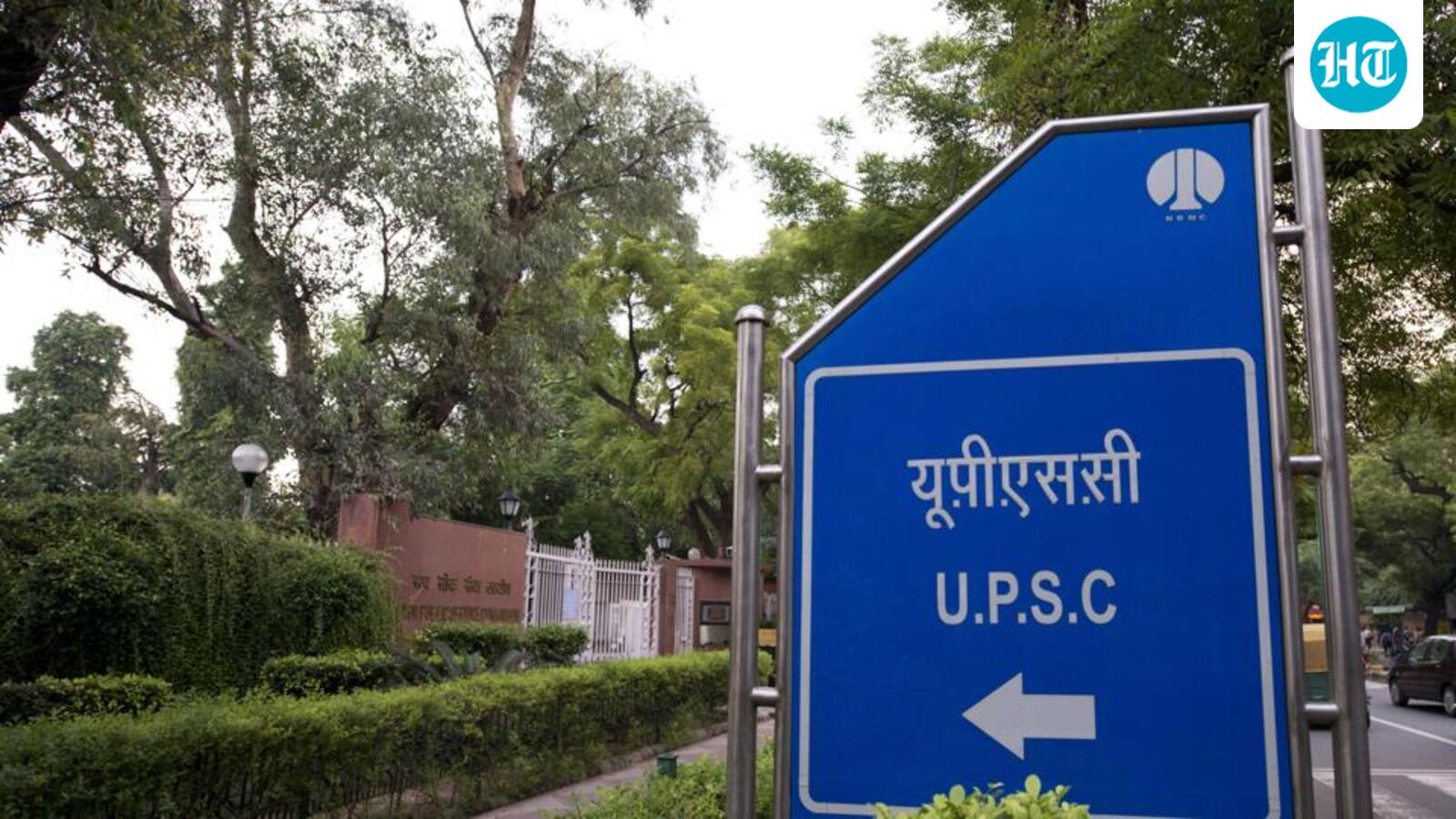
THe Centre has revised the treat by which IAS, IPS and IFoS officers ar assigned to say cadres, a john roy major modernize as part of a plan to make allocations more uniform and transparent.The 2026 UPSC (Union Public Service Commission) Cadre Allocation Policy redraws the 2017 iteration of the framework, doing away with the zoning system and sets timelines for vacancies to be filled, according to an order issued by department of personnel and training director Yashu Rustagi on January 23.The Cadre Allocation Policy is a framework under which candidates selected for the All India Services are assigned to a particular state cadre or a Joint Cadre (many states and Union territories share the same cadre of officers).The Centre revised the policy for the Indian Administrative Service (IAS), Indian Police Service (IPS), and Indian Forest Service (IFoS) after consultations with state governments.Experts said the new policy brings uniformity in posting young officers across the country, will help make the services more pan-India services and sets deadlines for postings.According to the 2017 policy, the states were grouped into different zones largely on geographical lines.For example, the AGMUT(Arunachal Pradesh, Goa, Mizoram, and Union Territories) cadre was grouped in Zone 1 along with Himachal Pradesh, Uttarakhand, and Rajasthan. Similarly, Zone 2 had states such as Uttar Pradesh, Bihar, Jharkhand, and Odisha.Candidates who cleared the civil services exam had to pick their cadre preferences based on these zones.The new policy replaces these zones with groups, with states placed in alphabetical order. So now, the AGMUT cadre sits in Group 1, alongside Assam, Arunachal Pradesh, Bihar and Chhattisgarh.Retired officers said this grouping will ensure officers are not able to take advantage of the geographical allocation of states, and that each state will be treated at par when they are allocated officers.Columnist and retired IFoS officer BK Singh, a 1975-batchofficer, who served as the principal chief conservator of forests in Karnataka, said the geographical segmentation system was first introduced in the 1980s and that it allowed candidates to prefer their home cadre state or a nearby province.“For example, if you did not get Uttar Pradesh, then you could choose Bihar or Madhya Pradesh, which are nearby. But this system was changed in between,” he said.“The new policy is transparent, and every state will get officers from across the country depending on vacancies. For instance, according to Group 4, you could be allotted Telangana as well as Tripura. You won’t be able to say that if you don’t get Telangana, you want to be posted in a state next to it,” added Singh.According to the new policy, states must submit vacancy requisitions by January 31 each year, and vacancies will be calculated based on the “cadre gap” as of January 1 of that year.Under the new policy, the cadre allocations should be done as early as possible, preferably, before the professional course begins.

Global News Perspectives
In today's interconnected world, staying informed about global events is more important than ever. ZisNews provides news coverage from multiple countries, allowing you to compare how different regions report on the same stories. This unique approach helps you gain a broader and more balanced understanding of international affairs. Whether it's politics, business, technology, or cultural trends, ZisNews ensures that you get a well-rounded perspective rather than a one-sided view. Expand your knowledge and see how global narratives unfold from different angles.
Customizable News Feed
At ZisNews, we understand that not every news story interests everyone. That's why we offer a customizable news feed, allowing you to control what you see. By adding keywords, you can filter out unwanted news, blocking articles that contain specific words in their titles or descriptions. This feature enables you to create a personalized experience where you only receive content that aligns with your interests. Register today to take full advantage of this functionality and enjoy a distraction-free news feed.
Like or Comment on News
Stay engaged with the news by interacting with stories that matter to you. Like or dislike articles based on your opinion, and share your thoughts in the comments section. Join discussions, see what others are saying, and be a part of an informed community that values meaningful conversations.
Download the Android App
For a seamless news experience, download the ZisNews Android app. Get instant notifications based on your selected categories and stay updated on breaking news. The app also allows you to block unwanted news, ensuring that you only receive content that aligns with your preferences. Stay connected anytime, anywhere.
Diverse News Categories
With ZisNews, you can explore a wide range of topics, ensuring that you never miss important developments. From Technology and Science to Sports, Politics, and Entertainment, we bring you the latest updates from the world's most trusted sources. Whether you are interested in groundbreaking scientific discoveries, tech innovations, or major sports events, our platform keeps you updated in real-time. Our carefully curated news selection helps you stay ahead, providing accurate and relevant stories tailored to diverse interests.

No comments yet.